Thoughts
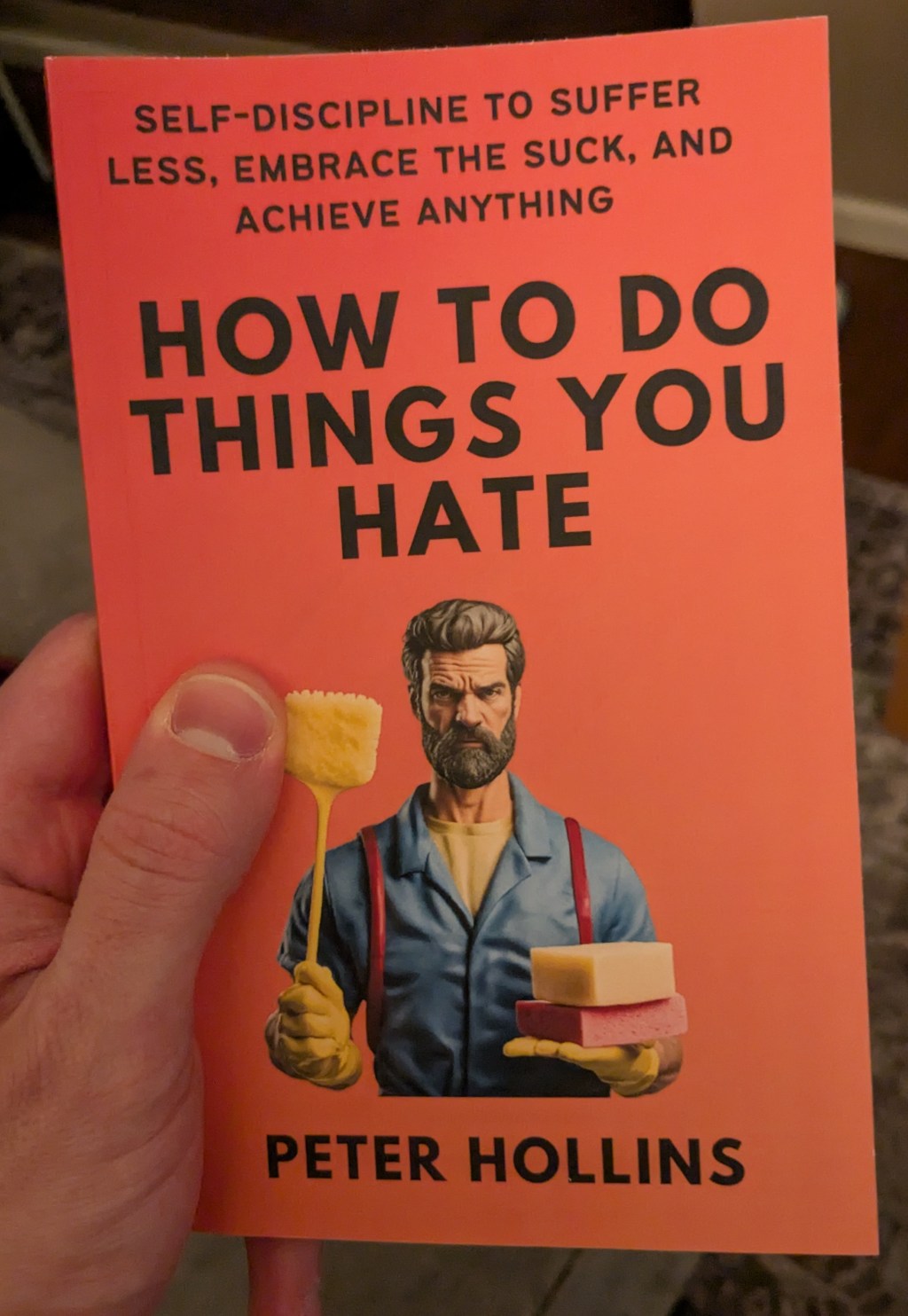
A measly 200 page book, that if you don’t finish a full chapter, well close the book and read the title. How can you not just finish it in one go and prove the author wrong?
I wasn’t blown away by the book, there wasn’t anything special in here that most people don’t already know. The author tries to expand on this topic of procrastination and makes it deeper than it needs to be frankly, but who am I to judge, maybe some people actually need that. He elaborates on the emotional and psychological connections and why we don’t do certain tasks etc.. There are some acronyms to help practice different techniques, and to remember that your emotions aren’t exactly what’s happening.
It was the last chapter where I felt the author was talking right to me though. The chapter in particular talked about doing more, by doing less. Basically your progressing through the way of subtraction rather than by addition. So the way to think about it is, focusing on less and becoming really good at those skills/project/whatever it is. You need to make a conscious effort to maximize the effort that you put into work to be productive as a human. Rest is something that he also touches on, again talking right at me, speaking that rest should also be calculated. Always being on the “go-go-go”, isn’t good for the body, and pushing through with sheer force isn’t going to help you progress in the long run. The last little takeaway was to “eat the frog first” an expression that I never heard of, but apparently is a common one.
Essentially, tackle your biggest problems first. Again nothing ground breaking here, but a catchy motto to remember when going through your prioritization in the list of things that you have to get done. When you eat the frog first, basically anything else in your day isn’t going to taste as bad as that frog. There were some other quick tips and tricks on how to work, but all tips that can vary from person to person here. The most helpful one that can help you at your job or personal goal setting when creating your goals use the SMART acronym, Specific, Measurable, Achievable, Relevant, and Time-Bound. You may already think of your goals in this way, but there are about 50 different acronyms in this book to tie the chapter to each. As I write this last sentence I think I’m going to use for my current workload at my job. So maybe there was something to be learned from this book..
Read more: https://www.atlassian.com/blog/productivity/how-to-write-smart-goals
A quick book if you need someone or something to slap you in the face. Also, by the title of the book if you don’t finish it in one sitting are you just lazy? If you hate reading, this might be the book that you need to help get things done.
 Christopher Sandoli
Leave a comment